

Managing diabetes naturally has become a priority for many people who want healthier, long-term solutions beyond medication.
If you’ve been struggling with fluctuating sugar levels or insulin resistance, Ayurveda offers a vast range of remedies that help support metabolic health. Among the most trusted ingredients are Amla (Indian gooseberry) and Giloy —both known for their powerful blood sugar–regulating properties. But which one is more effective?
Let’s break down their nutritional value, benefits, research-backed effects, and how they work in the body.
Nutritional Comparison: Amla vs Giloy
Although both ingredients are widely used in Ayurveda for diabetes, their nutrient profiles differ significantly.
Amla: A Vitamin C Powerhouse
A 100 ml serving of fresh amla juice can provide:
- Vitamin C: 600–900 mg
- Iron: 1.2 mg
- Calcium: 25 mg
- Dietary fiber: 3.4 g
- Antioxidants: Extremely high levels
This rich combination helps reduce oxidative stress – a major trigger for high blood sugar and insulin resistance.
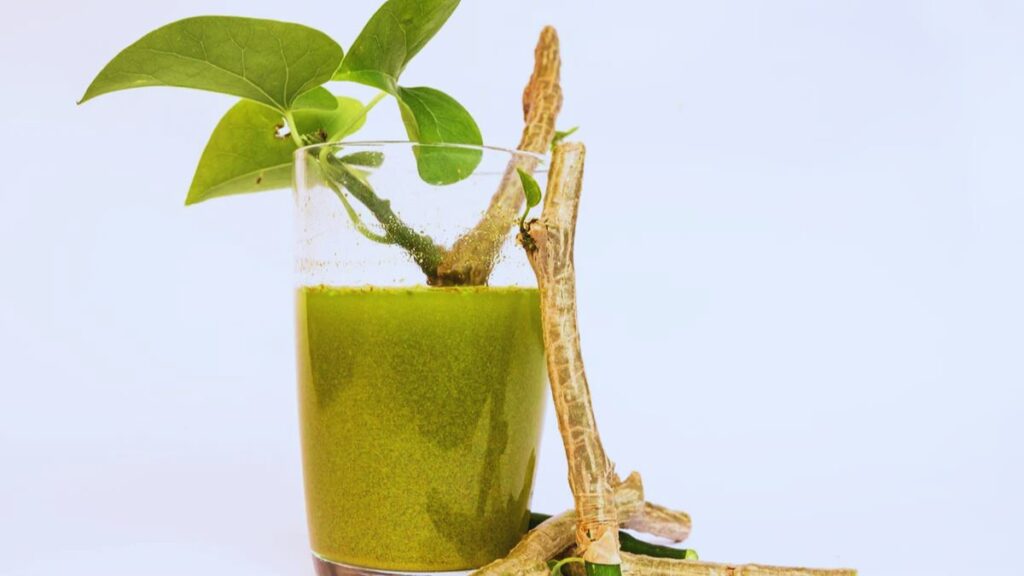
Giloy: A Metabolism-Boosting Herb
A 100 ml serving of giloy juice contains:
- Carbohydrates: 3.34 g
- Protein: 4.13 g
- Fat: 3.12 g
- Fiber: 16.19 g
- Vitamin C: 4.44 mg
- Phytochemicals: Alkaloids, Flavonoids, Tannins
These bioactive compounds are known for enhancing the body’s metabolic function and supporting the natural insulin response.
How Amla Helps Control Blood Sugar
Amla is considered one of the most potent fruits in Ayurveda due to its ability to improve overall metabolic health. Here’s how it supports diabetes management:
1. Slows Glucose Absorption
The soluble fiber in amla slows digestion and prevents sudden spikes in blood sugar after meals.
2. Boosts Insulin Production
Thanks to its high antioxidant content, amla improves insulin secretion and helps the body utilize glucose more efficiently.
3. Reduces Lipid Levels
Research shows that amla can lower cholesterol (fat) and triglyceride levels, which are often elevated in people with diabetes.
4. Lowers Fasting Blood Glucose
Studies demonstrate that consuming amla for 12 weeks (3 months) significantly reduces fasting sugar in type 2 diabetes patients.
5. Protects Against Diabetes-Related Complications
Amla enhances liver function, reduces inflammation, and prevents complications like neuropathy by reducing oxidative damage.

How Giloy Supports Insulin Regulation
Giloy is a revered herb in Ayurvedic medicine for its remarkable effect on immunity, inflammation, and blood sugar.
1. Enhances Insulin Sensitivity
Giloy improves the body’s sensitivity to insulin, especially during early stages of diabetes.
2. Reduces Inflammation Linked to Insulin Resistance
Its anti-inflammatory properties lower the inflammation that contributes to insulin resistance.
3. Helps Control Post-Meal Sugar Levels
Giloy naturally inhibits an enzyme responsible for breaking down carbohydrates. This slows glucose release into the bloodstream.
4. Balances Metabolism
The herb supports healthy liver and gut function, both crucial for stable metabolic processes.

How to Consume Amla and Giloy for Best Results
Amla Juice
- Blend 2 fresh amlas with water.
- Strain and add a pinch of black salt/black pepper or turmeric.
- Drink 20–30 ml on an empty stomach daily morning.
- You can monitor sugar levels to avoid a condition of hypoglycemia.
Giloy Juice
- Peel and blend giloy stems with water.
- Strain and consume 30 ml twice a day before meals.
- Combine with tulsi or neem for better results. Though it will taste bitter, you can a few drops of honey (if consuming is not easy).
- Always consult a doctor before use if you are on any other medication.
What Studies Reveal?
There has been a sufficient amount of scientific research, which backs the traditional use of both Amla and Giloy for diabetes support.
- A study published in the National Library of Medicine found that amla extract reduced blood sugar levels, normalized liver enzymes, and improved insulin markers in diabetic mice.
-
Giloy leaf powder (400–800 mg/kg) also helped to lower blood glucose levels in type 2 diabetic subjects, with strong statistical significance.
Amla or Giloy: Which Is Better for Diabetes?
Both the ingredients are excellent for blood sugar management, but their strengths vary:
-
Giloy is better for improving insulin sensitivity and reducing inflammation, making it ideal for early diabetes or insulin resistance.
-
Amla excels in controlling oxidative stress, improving lipid levels, and supporting long-term metabolic health, making it useful for advanced diabetes and complications.
For many individuals, a combination of both can offer synergistic benefits. However, it is essential to consult a healthcare professional to prevent unexpected drops in sugar levels, especially if you are already taking diabetes medication.