
Benefits of Eating Carrots During Winter: A Natural Way to Stay Healthy
As winter sets in, our bodies naturally look for foods that provide warmth, comfort, and nourishment. The colder months also bring an increased risk of seasonal infections, dry skin, and slow digestion, making it essential to focus on immunity-boosting foods. One simple yet powerful vegetable that deserves a place on your winter plate is the carrot.
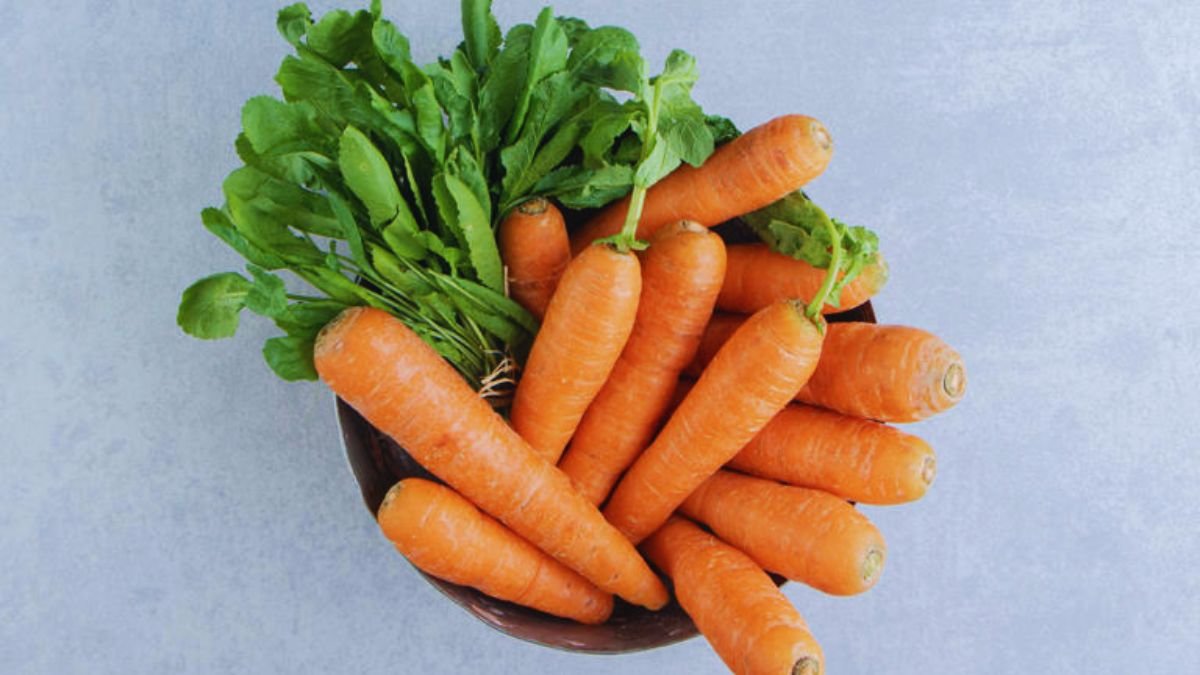
Carrots are widely available during winter and are packed with essential nutrients, particularly beta-carotene, fiber, and antioxidants. Whether eaten raw, cooked, or blended into soups, carrots offer multiple health benefits that support overall well-being during the chilly season.
Let’s explore why including carrots in your winter diet can be a smart and delicious decision.
Why Carrots Are a Perfect Winter Vegetable
Carrots thrive in cooler temperatures, which enhances their natural sweetness and nutritional value.
- They are affordable, versatile, and easy to incorporate into daily meals. From warming soups to roasted side dishes and fresh salads, carrots adapt well to both traditional and modern winter recipes.
- Most importantly, carrots provide vital nutrients that help the body cope with cold weather stress, reduced sunlight, and seasonal illnesses.
1. Strengthens Immunity During Cold Months
One of the most significant benefits of eating carrots in winter is their role in boosting immunity. Carrots are rich in beta-carotene, which the body converts into Vitamin A. This vitamin is essential for maintaining healthy intestines, cell absorption and energy.
- Strong barriers act as the body’s first line of defense against viruses and bacteria that cause colds, flu, and respiratory infections.
- Regular consumption of carrots can help strengthen your immune response, making it easier for your body to fight seasonal illnesses naturally.
2. Supports Healthy, Glowing Skin in Winter
Dry, cold air and indoor heating can strip moisture from the skin, leading to dryness, irritation, and dullness. Carrots are rich in antioxidants and vitamin A, both of which play a key role in skin repair and protection.
- Vitamin A helps promote skin cell regeneration and supports the production of collagen, which keeps the skin firm and elastic.
- The antioxidants in carrots also help combat free radical damage caused by environmental stress.
- Including carrots in your winter diet can help maintain skin hydration and give your complexion a natural glow even in harsh weather.
3. Protects and Improves Eye Health
Carrots have long been associated with good eyesight, and for good reason. They contain vitamin A along with powerful carotenoids – important compounds that help protect the retina and reduce oxidative stress in the eyes.
- During winter, people often spend more time indoors using screens and artificial lighting, which can strain the eyes.
- Consuming carrots regularly supports long-term eye health and may reduce the risk of age-related vision issues while keeping your eyes comfortable and well-nourished.
4. Aids Digestion and Gut Health
Winter often brings changes in routine, reduced physical activity, and heavier meals, which can affect digestion. Carrots are an excellent source of dietary fiber, which supports a healthy digestive system.
- Fiber helps regulate bowel movements, prevents constipation, and feeds beneficial gut bacteria.
- A healthy gut is closely linked to better immunity, improved nutrient absorption, and overall energy levels.
- Adding carrots to soups, sabzis, or salads can gently support digestion throughout the winter months.
5. Helps Maintain Body Warmth Naturally
In many traditional dietary practices, root vegetables like carrots are considered grounding and warming foods. While carrots themselves are not spicy or heating, they help provide sustained energy and warmth when cooked.
- Warm carrot soups, stews, and roasted carrot dishes are especially comforting during cold days.
- They are nutrient-rich yet low in calories, helping you feel full and satisfied without overeating.
- This makes carrots an ideal food for maintaining warmth and energy during winter.
Ways to Include Carrots in Your Winter Diet
- Carrots are incredibly versatile and can be enjoyed in many ways:
- Add them to soups and stews for warmth and nutrition
- Roast them with herbs for a healthy side dish
- Grate them into salads or slaws
- Blend them into smoothies or winter juices
- Use them in traditional dishes (home-made sweets/pickles)
Carrots are more than just a crunchy snack – they are a winter superfood packed with essential nutrients that support immunity, skin health, digestion, and vision. This vegetable is easy to cook, widely available, and budget friendly. By including carrots in your daily diet, you can nourish your body naturally, stay resilient against seasonal illnesses, and enjoy the comforting flavors of winter while supporting long-term health.
Frequently Asked Questions (FAQs)
1) Is it good to eat carrots daily during winter?
Yes, eating carrots daily in winter is beneficial. They are rich in vitamin A, antioxidants, and fiber, which help boost immunity, support digestion, and protect the skin and eyes during cold weather.
2) What is the best way to eat carrots during winter?
Carrots can be eaten raw, roasted, or cooked in soups and stews. Warm carrot-based dishes are especially comforting in winter and help the body stay nourished while retaining most of their nutrients.
3) Which vitamin is found in carrots?
Carrots are a rich source of Vitamin A, antioxidants, and fiber, which help boost immunity, support digestion, and protect the skin and eyes during cold weather.